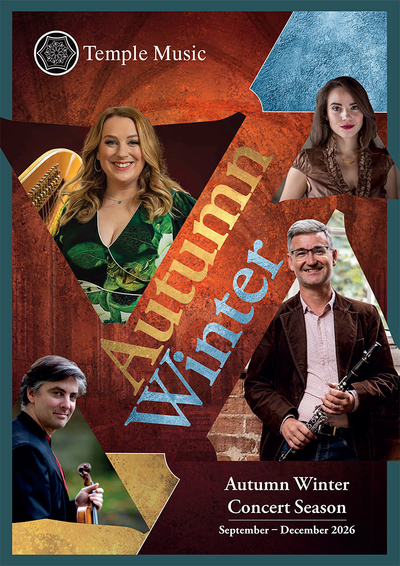
Autumn/Winter 2026 Brochure
Our Autumn / Winter brochure has now dropped! Click the link to download it.
The Temple Singers
Thomas Allery, conductor
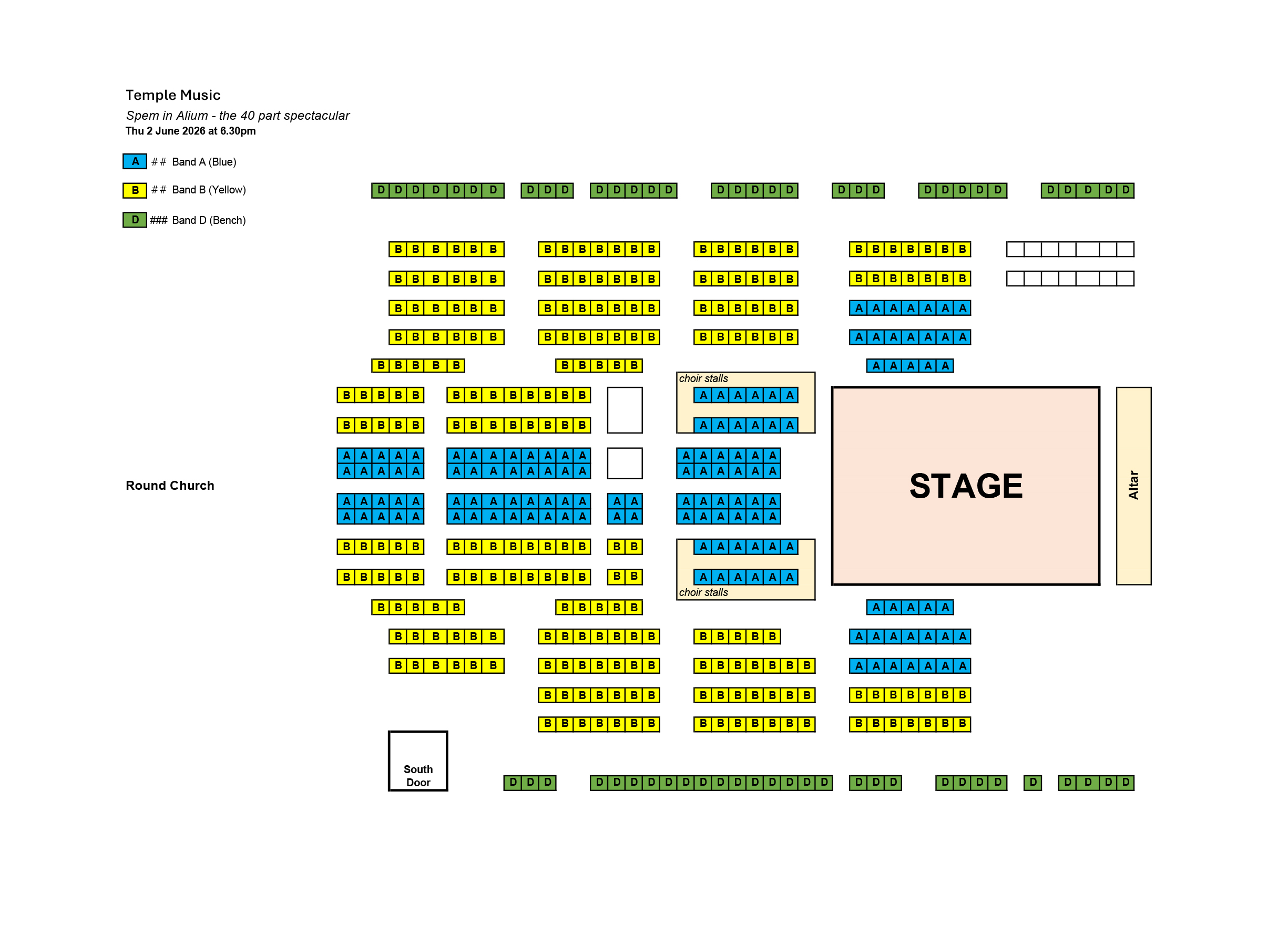
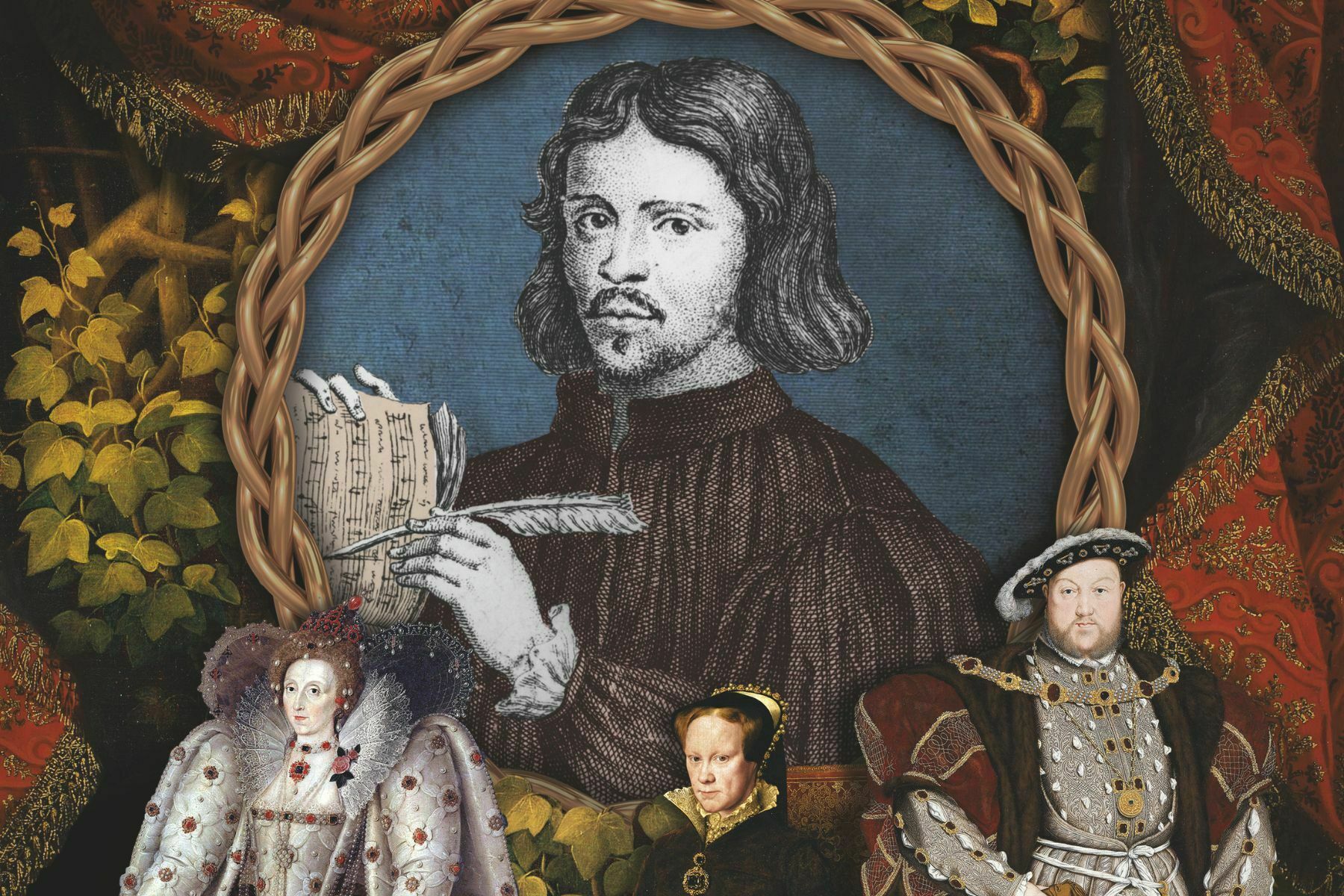
Thomas Tallis’s monumental motet Spem in alium nunquam habui praeter in te, Deus Israel (I have never placed my hope in any other but in You, O God of Israel) stands as one of the most extraordinary achievements in choral music. Rarely performed, it is a breathtaking feat of contrapuntal imagination, conceived for an astonishing forty independent vocal lines arranged into eight choirs of five voices each.
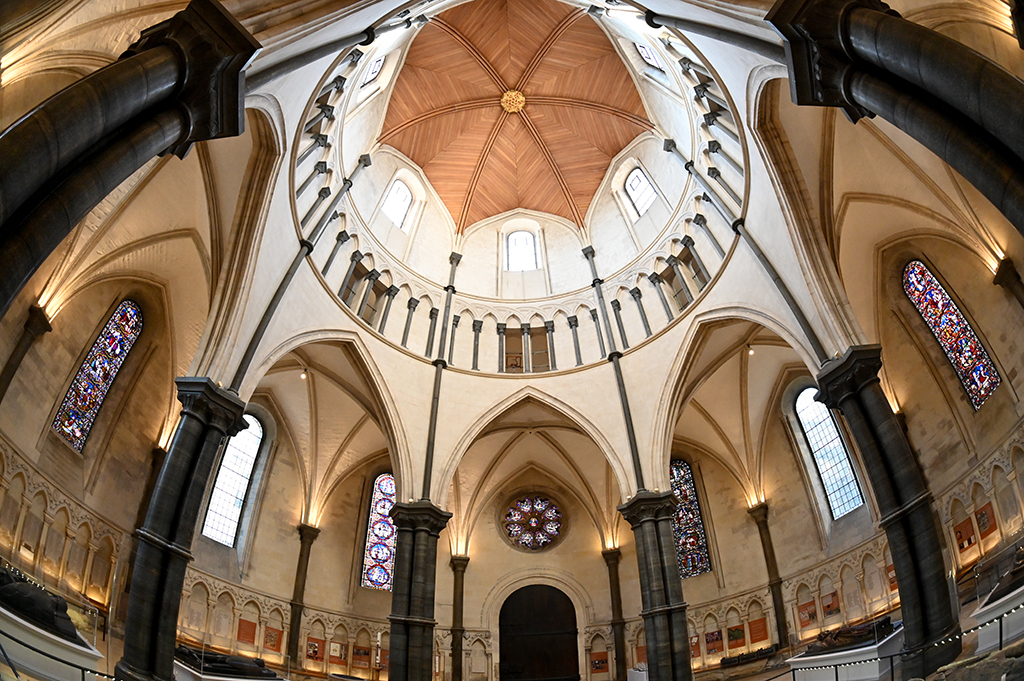
Composed around 1572–73, Spem in alium is believed to have been first performed at Nonsuch Palace, the Earl of Arundel’s summer residence, whose octagonal hall and surrounding balconies likely inspired Tallis’s bold spatial design. The music unfolds as sound travels through space - surging from choir to choir, surrounding the listener in waves of resonance. Towering passages for all forty voices alternate with intimate exchanges among smaller groups, while musical ideas leap across the ensemble.
The result is a profoundly immersive, almost architectural experience: a living sculpture of sound that envelops both ear and imagination.
This concert is supported by a consortium of donors, and is given to mark the retirement of The Revd Robin Griffith-Jones, Master of Temple Church.
Full Programme
Josquin des Prez (c.1450-1521): Qui Habitat (24 voices) 6'00"
Gabriel Jackson (1962-): Cecila Virgo (24 voices) 8'00"
John Tavener (1944-2013): Hymn to the Mother of God (12 voices) 2'30"
Charles Villiers Stanford (1852-1924): Latin Magnificat in B flat, Op 164 (8 voices) 11'00"
David Bednall (1979-): Lux Orta est Iusto (40 voices) 8'00"
Eric Whitacre (1970-): Lux Aurumque (8 voices) 4'00"
Andrea Gabrieli (1533-1585): Maria stabat ad monumentum (6 voices) 5'00"
John Taverner (1490-1545): Dum transisset Sabbatum (6 voices) 8'00"
Thomas Tallis (c.1505-1585): Spem in Alium (40 voices) 9'00"
Estimated total length of programme: 1 hour 10 minutes
"It is Spem in alium, a work of Tallis's maturity, that overshadows any other English piece of the period, including those of his great contemporary, William Byrd. Scored for 40 independent voices, it is symphonic in proportion and resplendent."
The Guardian